Free on-site estimates Lakewood (303) 505-0976
Imperium Outdoor Services
Demolition Services That Clear the Way to Build
Family-owned · Denver Local

Demolition Services That Clear the Way to Build

Service-disabled veteran-ownedLicensed & insuredFree on-site estimates

Why Choose Imperium Outdoor Services for Demolition Services That Clear the Way to Build

Demolition services for small residential and agricultural structures are what Imperium Outdoor Services actually does: shed and outbuilding teardowns, detached garages, barns, and concrete slab breaking. Scope drives everything from there, because equipment, timeline and debris volume all follow from what is standing and what is buried under it. We bring the same military discipline here that we bring to land clearing and excavation. We are not a general contractor who dabbles in demo, and we will tell you plainly when a structure is bigger than our lane. Call Devin at (303) 505-0976 before your project stalls waiting on a crew that will not show.

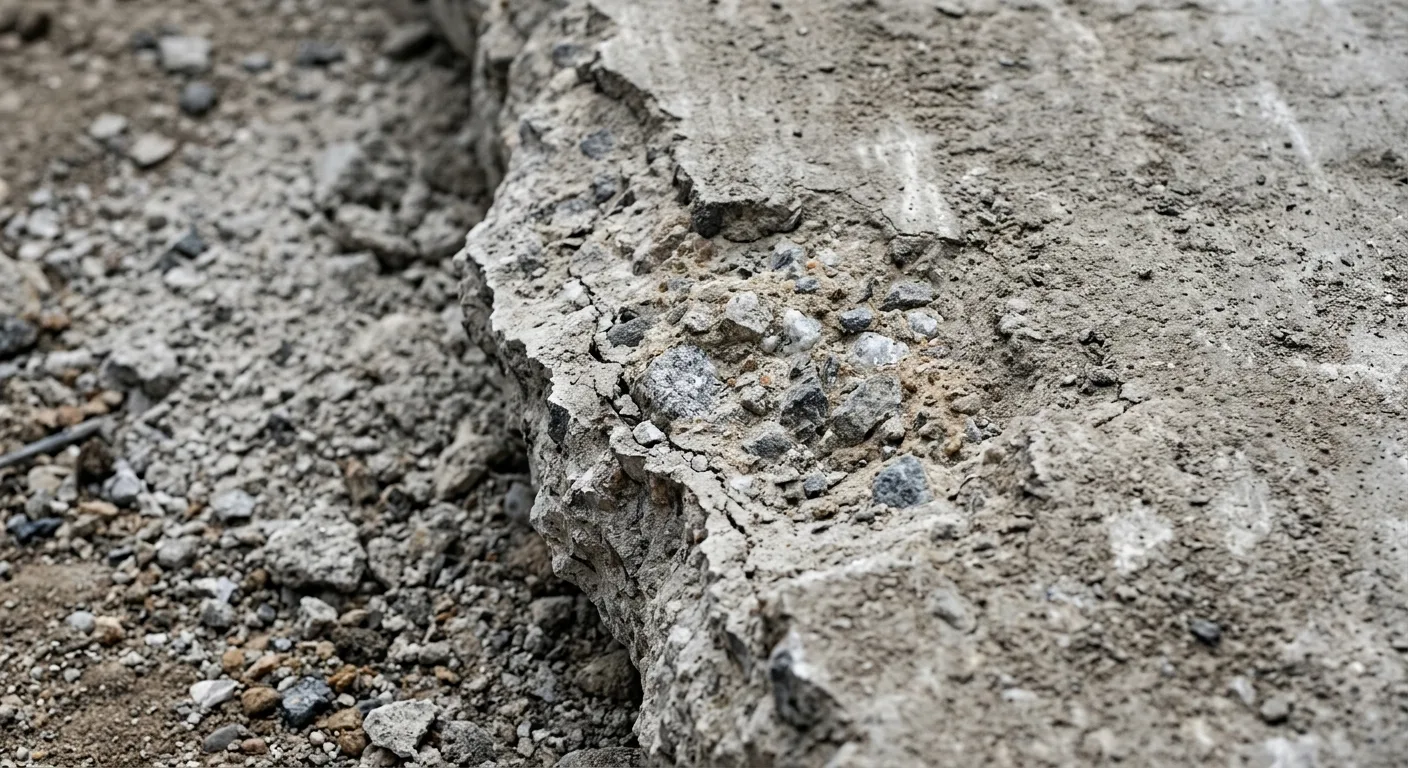
What drives demolition cost is rarely the structure standing. It is what sits underneath it, attaches to it, and surrounds it. Hazardous materials, buried slabs, utility disconnects and site access all push scope wider than the original footprint. Front Range slabs poured between the 1970s and the 1990s often carry heavier rebar than the surface suggests, which is the single most common reason a quick break-out turns into a long day. We will not quote you blind. Every estimate is done on site, so the number you get is the number that holds.
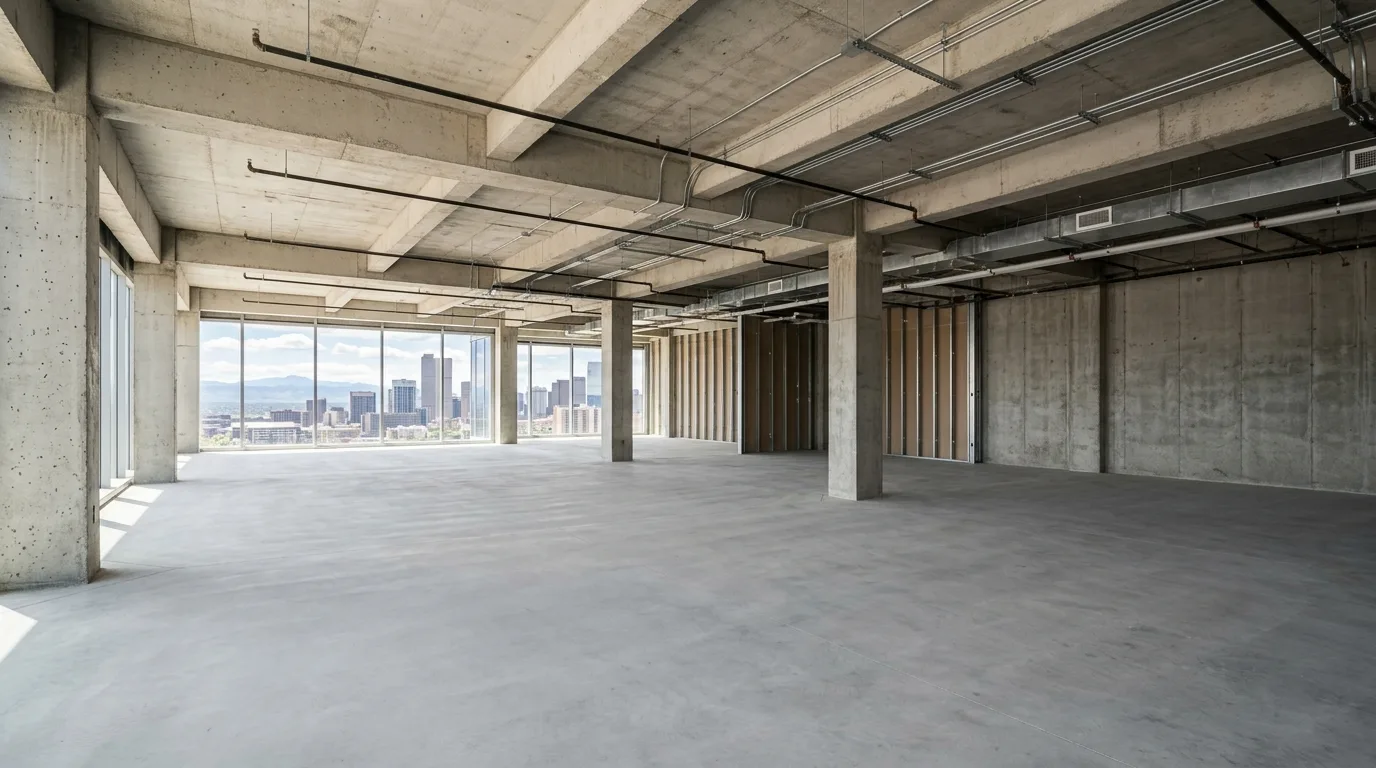
demolition services work — professional service in Denver, CO
On location

demolition services work — professional service in Denver, CO

What Imperium's Demolition Services Actually Cover

We focus on the structures that need to come down before a build can begin. That means sheds, detached garages, old agricultural outbuildings, residential structures on infill lots, concrete slabs, and site obstructions that have no business being there when a foundation crew shows up. We handle the dirt work and equipment mobilization ourselves — no subcontracting, no handoffs, no gaps in accountability. Devin's crew mobilizes with the equipment the job actually requires. If the scope changes once we're on-site, we adapt without a project restart.

demolition services work — professional service in Denver, CO
On the job
Details below

How We Execute a Demolition Project

No two demo jobs run the same sequence, but the discipline behind them does. Here's how Imperium moves from estimate to cleared site.
01

On-Site Assessment First

We visit the site before quoting. Utility proximity, material composition, and access constraints get identified before equipment rolls. A contractor who quotes demo over the phone is guessing — and you'll pay for that guess later.
02

Equipment Matched to the Job

Residential teardown doesn't need the same iron as a slab removal. We mobilize the right machine for the structure in front of us. Fast mobilization means your project doesn't sit idle waiting on a crew that's double-booked somewhere else.
03

Controlled Takedown

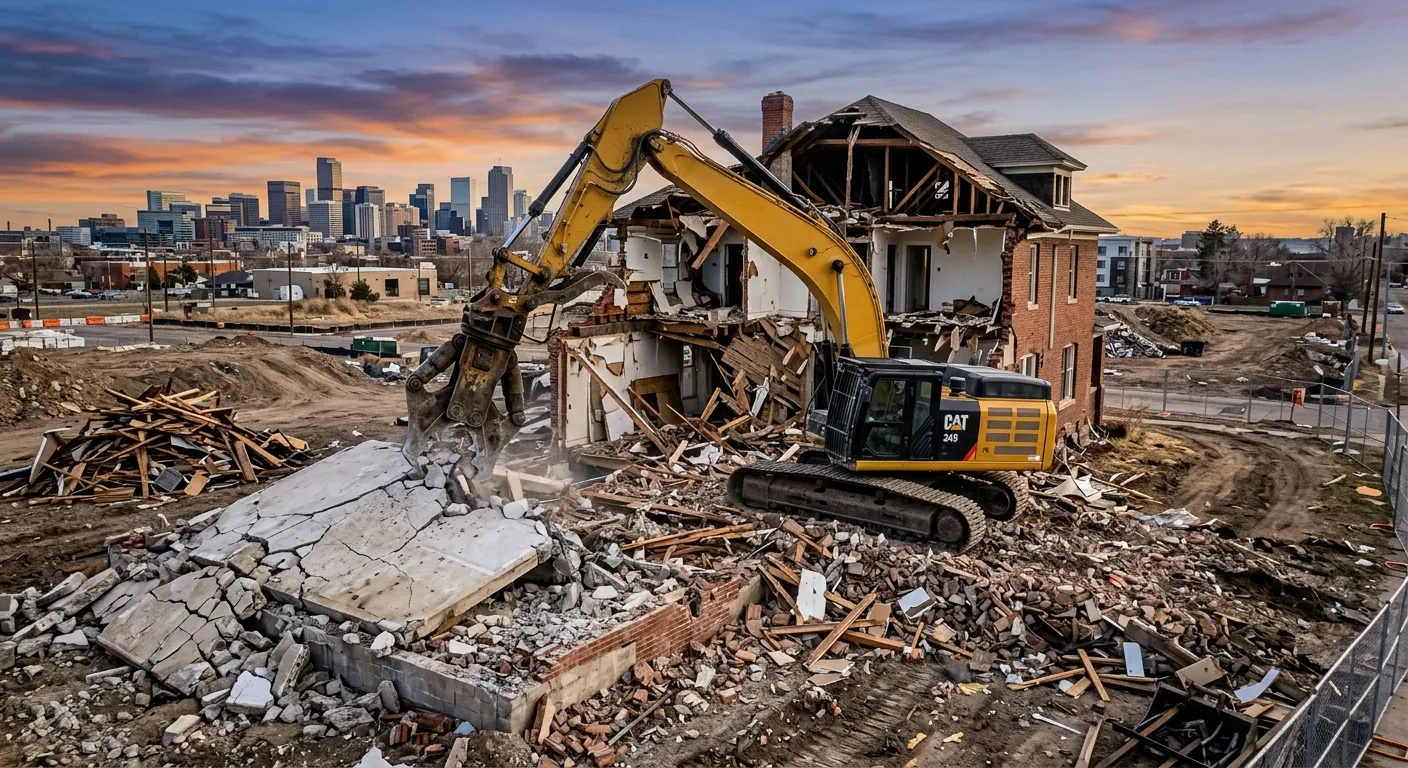
Structure comes down in a controlled sequence. We're not swinging iron at random. The sequence protects adjacent structures, utilities, and the foundation footprint you may be keeping. Military discipline applies here as much as anywhere on the site.
04

Debris Removal and Site Cleanup

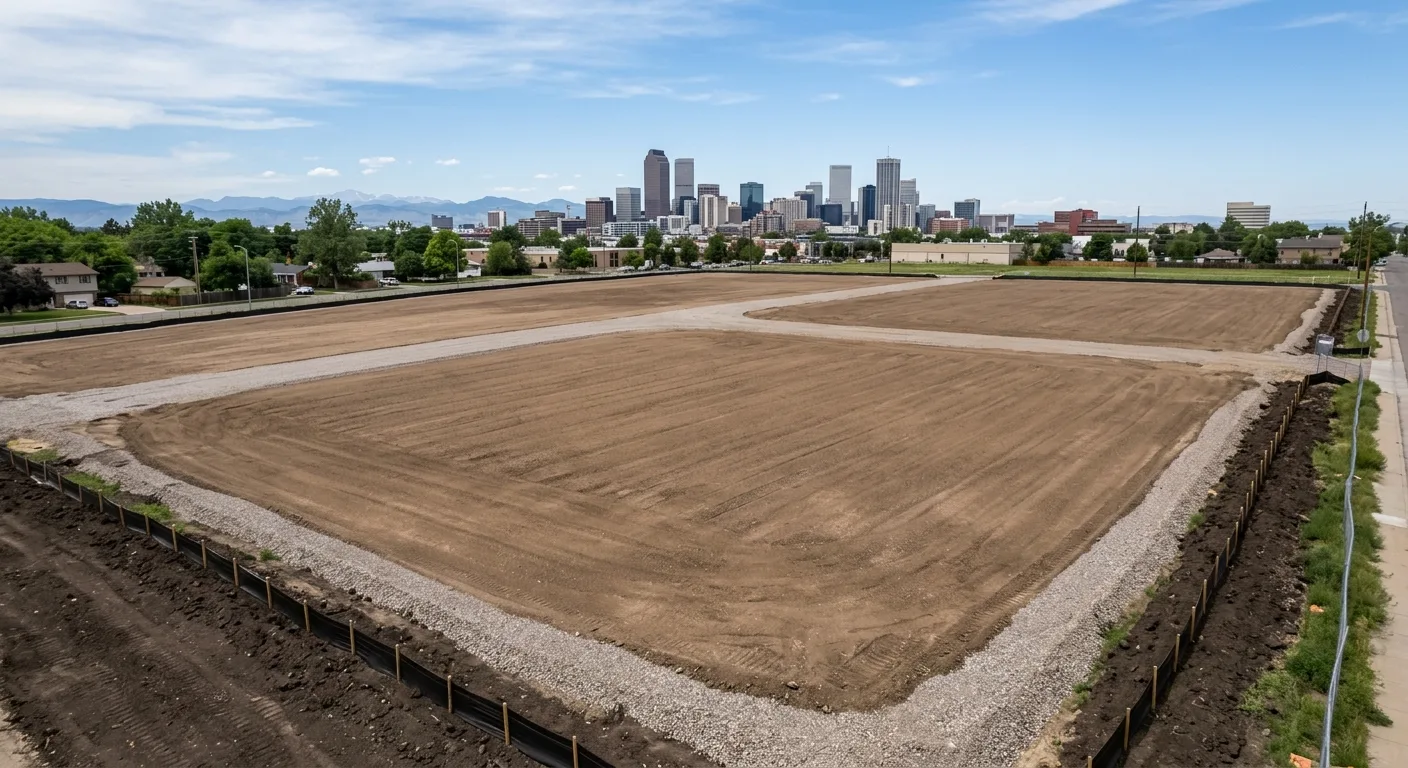
The job isn't done when the wall hits the ground. We clear the debris and leave the site ready for the next phase. That might mean site cleanup and grading to prep for your foundation crew, or a flat, clean pad ready for your contractor's first visit.
demolition services work — professional service in Denver, CO
On location

demolition services work — professional service in Denver, CO

Three Types of Demolition — And When You Need Each

The three primary demolition categories are selective demolition, interior demolition, and total (full) demolition. Selective demo removes specific elements — a wall, a slab section, a porch — while the structure stays standing. Interior demo strips a building to its frame without touching the exterior shell, common in gut-renovation projects. Total demolition brings the entire structure to grade. Imperium focuses on total and selective exterior demolition: full structure teardowns, outbuilding removals, concrete slab breaking, and site clearing to prepare for new construction. We don't do interior finish work or renovation prep inside occupied structures. That's not our lane, and we won't pretend it is.

demolition services work — professional service in Denver, CO
On location

demolition services work — professional service in Denver, CO

When DIY Demo Is a Liability, Not a Savings

Plenty of property owners look at a small shed or a crumbling concrete pad and think it's a weekend project. Sometimes it is. Most of the time, it isn't. Structures with any form of mechanical, electrical, or plumbing connection require disconnects before demo begins — and pulling the wrong thing out of a wall without knowing what's live is a fast way to turn a cheap teardown into an expensive emergency. Concrete slabs on the Front Range are often thicker than they look and reinforced in ways that make a rental demo hammer laughable. Hire a crew that's done this work before the first swing, not after the first problem. Our work across Jefferson County and Arapahoe County has covered enough problem sites to know the ones that look simple and aren't.

Frequently Asked

Demolition FAQs

Common questions about structure demolition, timeline, and project scope.
01 What are the three types of demolition? +
The three standard categories are selective demolition (removing specific components while preserving the structure), interior demolition (stripping a building's interior down to the frame), and total demolition (full teardown to grade). Imperium's scope covers total and selective exterior work — structure teardowns, outbuilding removals, concrete slab breaking, and lot clearing. Interior renovation prep inside occupied or partially standing structures is outside what we do.
02 How long does a shed or outbuilding teardown take? +
Most shed, outbuilding and detached-garage teardowns run one to two days once we are on site, assuming clean access. That window does not include permits, utility disconnects, or hazardous material abatement if asbestos or lead is present, and those run on their own timeline before a machine moves. Note our lane: we handle small residential and agricultural structures. If you are scraping a full house, we will tell you and point you to a crew that does that work.
03 What is included in demolition? +
Scope varies by project, but a complete demolition service typically covers: structure takedown, debris removal from the site, and rough site clearing to leave the pad usable for the next phase. Utility disconnects, permits, and hazardous material testing or abatement are handled separately and must be completed before we mobilize equipment. We'll confirm the full scope during the on-site estimate so nothing is ambiguous when work starts.
04 How deep does a concrete slab need to be before it's a major demolition job? +
Residential slabs are typically 4 to 6 inches, but Front Range construction from the 1970s through the 1990s often ran heavier gauge rebar and thicker pours, particularly in garage and agricultural applications. Anything over 6 inches thick with heavy rebar increases equipment requirements and time significantly. A slab that looks like a quick break-out can run two to three times longer than expected when you hit #5 rebar on a close grid. We assess this during the on-site estimate — not after we start.
05 Does demolition work require a permit in Colorado? +
Yes, in most Colorado jurisdictions, structural demolition requires a permit before work begins — particularly for attached structures, anything over a certain square footage threshold, or properties inside municipal limits. Requirements vary by county and municipality. Permit timelines can add days to a project schedule. We discuss permit requirements during the estimate phase so your project timeline is built around the actual approval window, not an optimistic guess.
06 What happens to the debris after a structure comes down? +
Debris removal is part of the demolition scope we quote on-site. Material is loaded and hauled off the property — we don't leave a pile for you to sort. Concrete, wood framing, and metal are often separated for recycling where feasible. The site is left clear and accessible for your next contractor. If grading or additional site prep is needed after the structure is gone, we can handle that as a continuation of the same project.

Ready to Take Down That Structure? Call Devin.

Imperium Outdoor Services handles structure demolition across the Front Range. We show up with the right equipment, work the site from takedown to cleanup, and leave you with a clear pad ready for what comes next. No double-booking. Your project gets our full attention until it's done. Call (303) 505-0976 for a free on-site estimate.

Call 3035050976

Or send us your info

Frequently Asked

Frequently Asked Questions

01 What are the three types of demolition? +
The three standard categories are selective demolition, interior demolition, and total demolition. Selective removes specific components while the structure stays. Interior strips a building to its frame. Total brings everything to grade. Imperium focuses on total and selective exterior work: full structure teardowns, outbuilding removals, concrete breaking, and lot clearing to prep for new construction.
02 How long does a shed or outbuilding teardown take? +
Most shed, outbuilding and detached-garage teardowns run one to two days on site with clean access. Permits, utility disconnects and any asbestos or lead abatement happen first and run on their own timeline. We handle small residential and agricultural structures, so a full house scrape is outside what we take on.
03 What is included in demolition? +
A complete demolition service covers structure takedown, debris removal, and site clearing to leave the pad ready for the next phase. Utility disconnects, permits, and hazmat abatement are handled separately and must be completed before equipment mobilizes. We outline the full scope on-site so every task is accounted for in the quote and nothing is discovered mid-project.
04 What does a small structure demolition cost? +
Cost depends on structure size, material, site access and how much debris leaves the property. Small outbuilding and shed teardowns sit at the low end. Reinforced concrete, restricted access and hazardous materials are what push a number up. We quote on site rather than over the phone, because the things that change the price are the things you cannot see from a description.
05 Does a shed or outbuilding demolition require a permit? +
Requirements depend on the jurisdiction and the size of the structure. Many Colorado municipalities require permits for structures above a certain square footage threshold or for any structure with utility connections. Unpermitted work can create title problems when you sell the property. We review permit requirements during the estimate so your project is compliant before equipment rolls.
06 How is debris from a demolished structure handled? +
Debris removal is part of the scope we quote. Material is loaded and hauled off the property — we don't leave a pile for the owner to manage. Concrete, metal, and wood are separated for recycling where practical. The site is left clear and accessible. If the next phase requires grading or additional site prep, we can carry that work forward without a second contractor mobilization.

Related