01
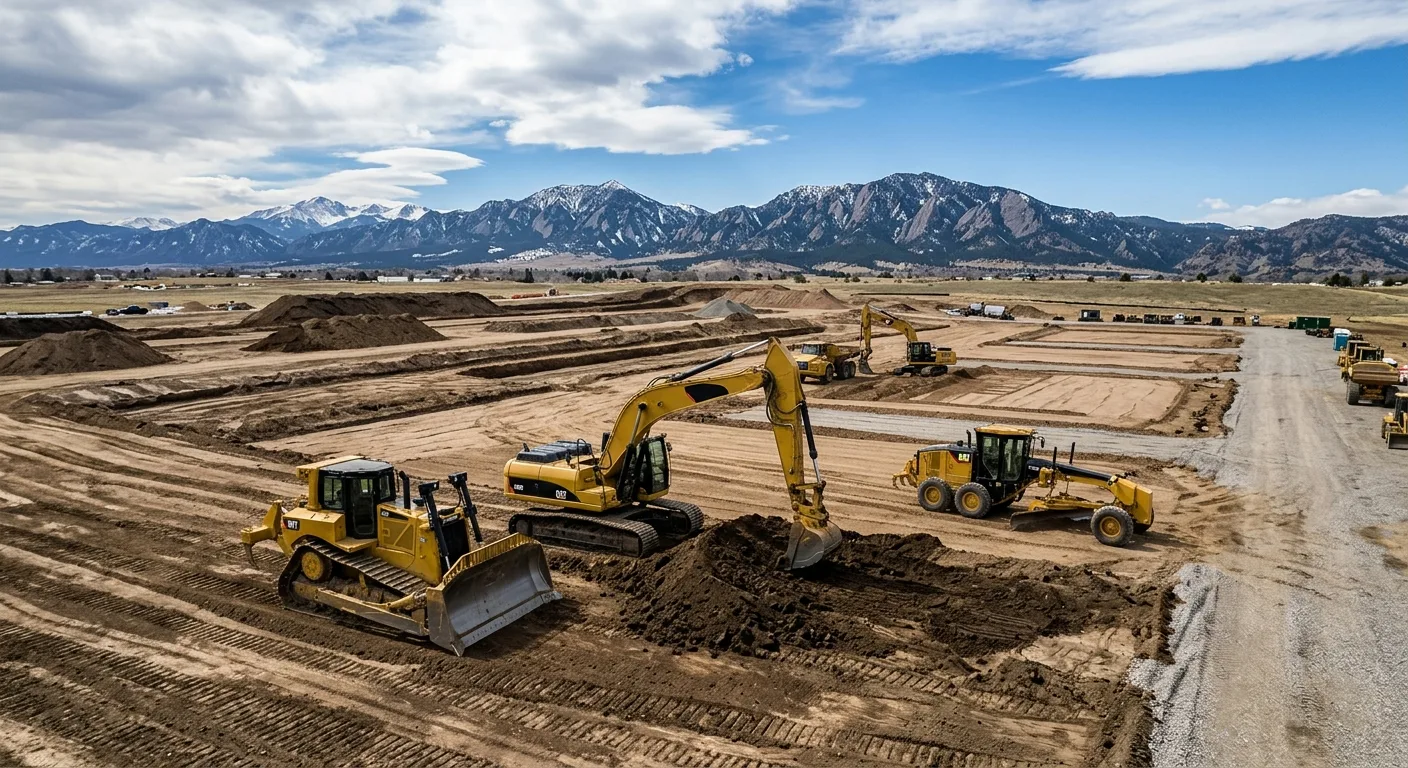
Family-owned · Denver Local
Dirt Work and Equipment Mobilization Done Right
Service-disabled veteran-ownedLicensed & insuredFree on-site estimates
Why Choose Imperium Outdoor Services for Dirt Work and Equipment Mobilization Done Right
Dirt work in construction is earthwork: moving, shaping, compacting, and preparing soil so every phase that follows has something solid to stand on. It's also called grading, earthwork, or site preparation depending on who you ask. Whatever you call it, it's the job that has to go right before anything else can. Imperium Outdoor Services mobilizes equipment fast, executes with precision, and doesn't leave a site half-prepared. Call (303) 505-0976 and let's talk scope.
A dirt work job can range from a straightforward equipment-and-operator call to a full multi-phase land clearing and excavation operation covering drainage correction, soil removal, compaction, and final grading. What drives cost up: site access, material volume, existing structures or debris, slope severity, and whether haul-off is required. What drives it down: clear access, well-defined scope, flat terrain. Cost ranges across the industry run from a few hundred dollars for a small grading pass to tens of thousands for a large-scale earthwork mobilization. Every job is different. Contact Imperium Outdoor Services for an accurate estimate.
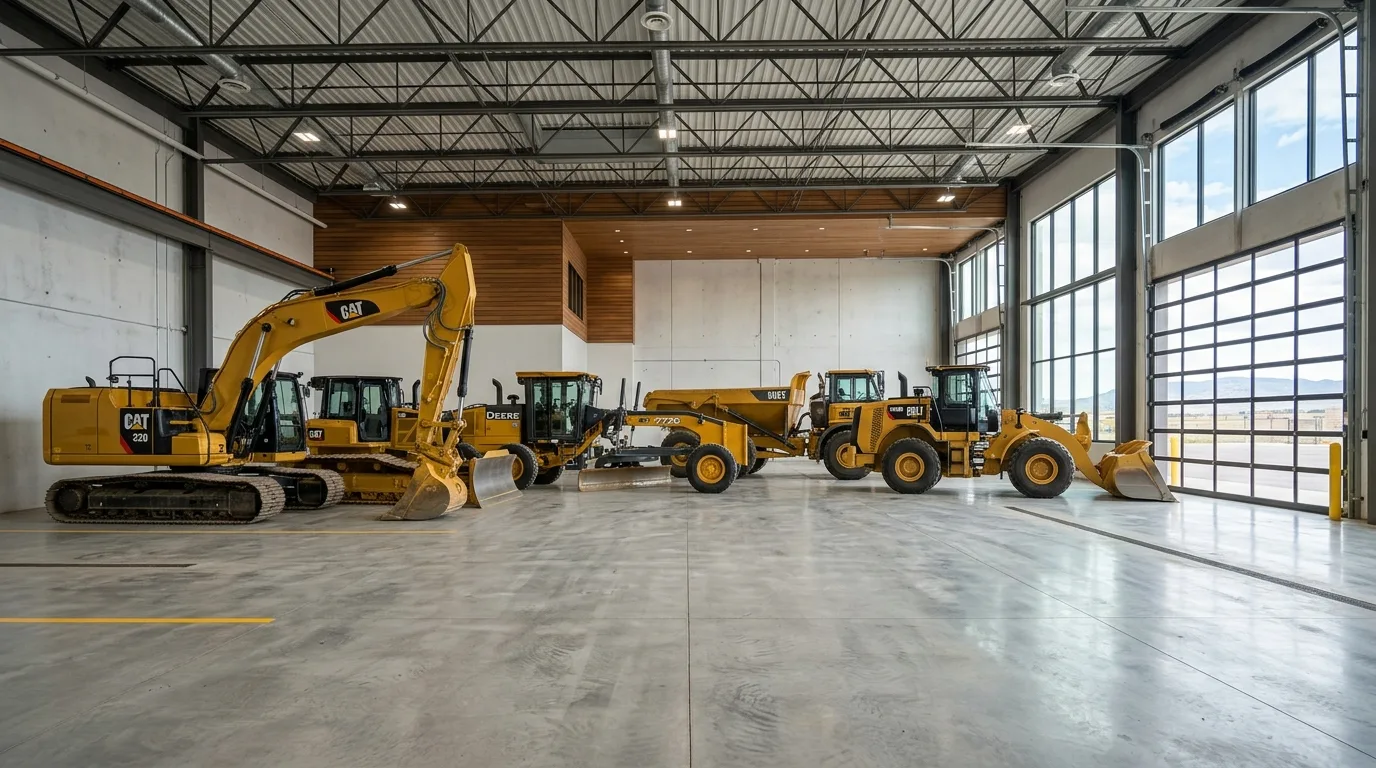
On location
dirt work and equipment mobilization work — professional service in Denver, CO
What Dirt Work Actually Includes on a Real Job Site
Dirt work isn't a single task. It's a sequenced set of operations that prepares raw ground for construction. On most jobs, that means stripping topsoil, cutting and filling to establish grade, compacting subgrade, and managing drainage before any foundation or structure goes in. Imperium handles each phase in-house. We don't subcontract out the grading while we run the excavator. One crew, one point of contact, no gaps between phases. That matters when a delay in earthwork holds up every trade behind it. If your site also needs brush or vegetation removed first, our land clearing and excavation team can clear and prep in a single mobilization.
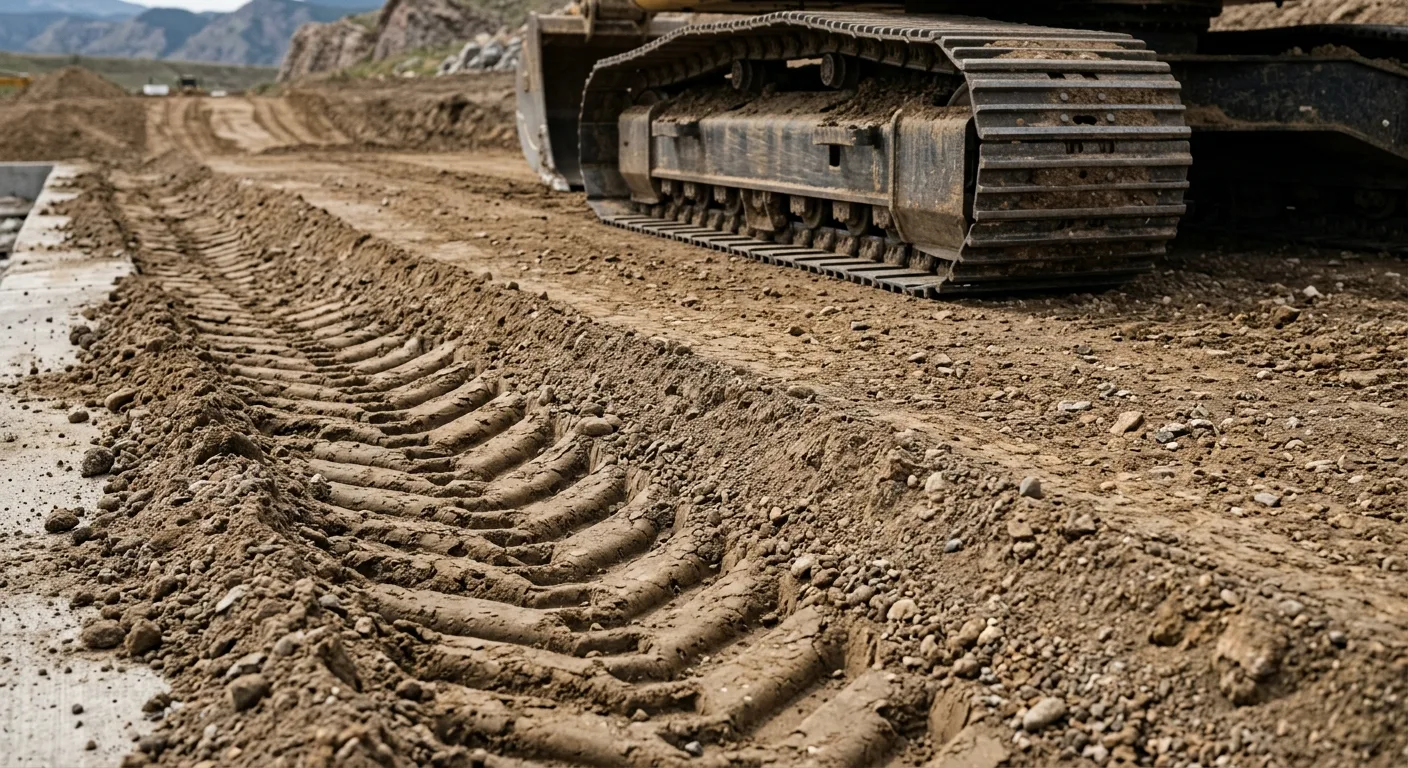
On location
dirt work and equipment mobilization work — professional service in Denver, CO
What Good Dirt Work Looks Like Versus What Gets Skipped
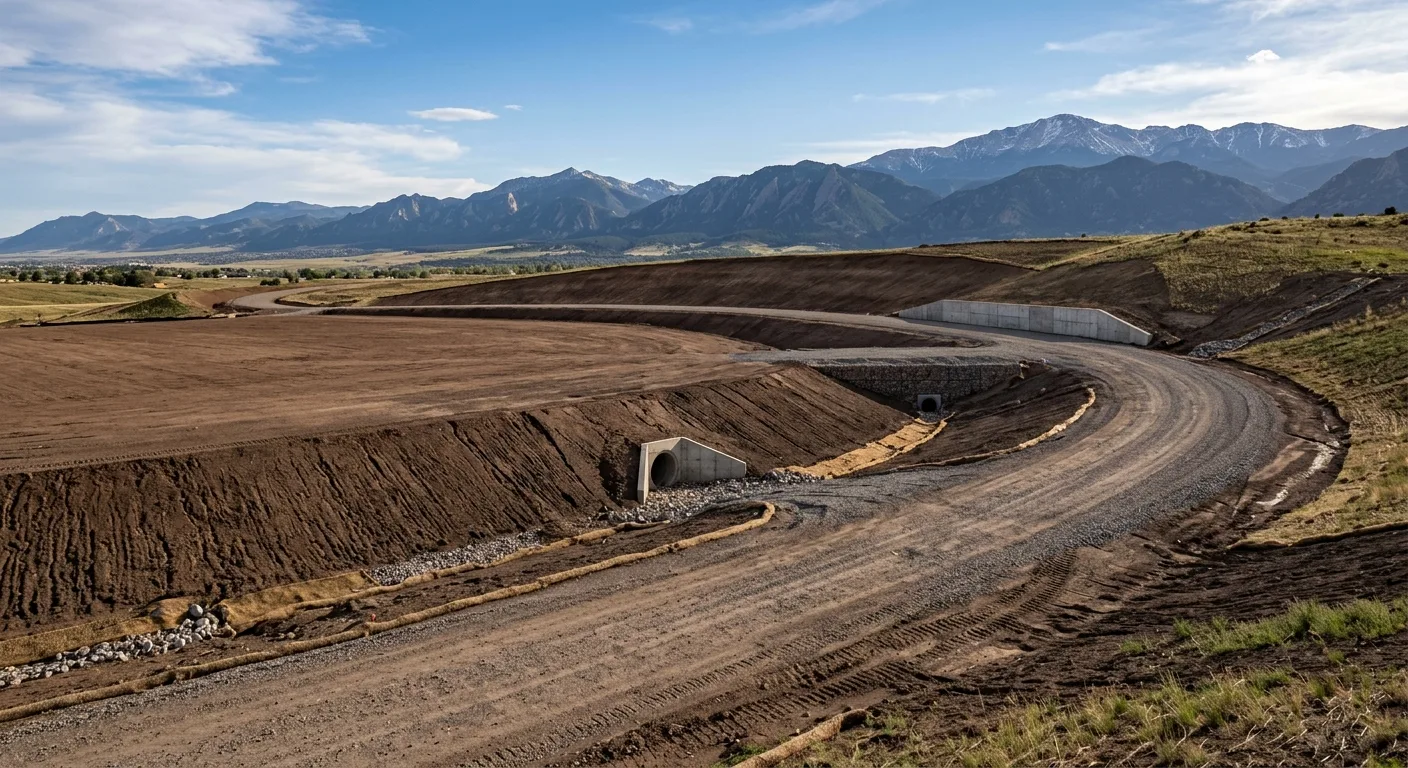
Honestly, a lot of site prep gets rushed and it shows up later as drainage problems, uneven slabs, or settlement. Good dirt work means the finished grade drains away from structures, subgrade compaction meets spec before anything is poured, and soil that can't support load gets removed rather than buried. Imperium runs equipment with military discipline: we follow the sequence, we don't skip compaction tests to save an afternoon, and we don't leave a site in a condition we wouldn't want to build on ourselves. If your project also requires site cleanup and grading after the earthwork phase, we handle that too.
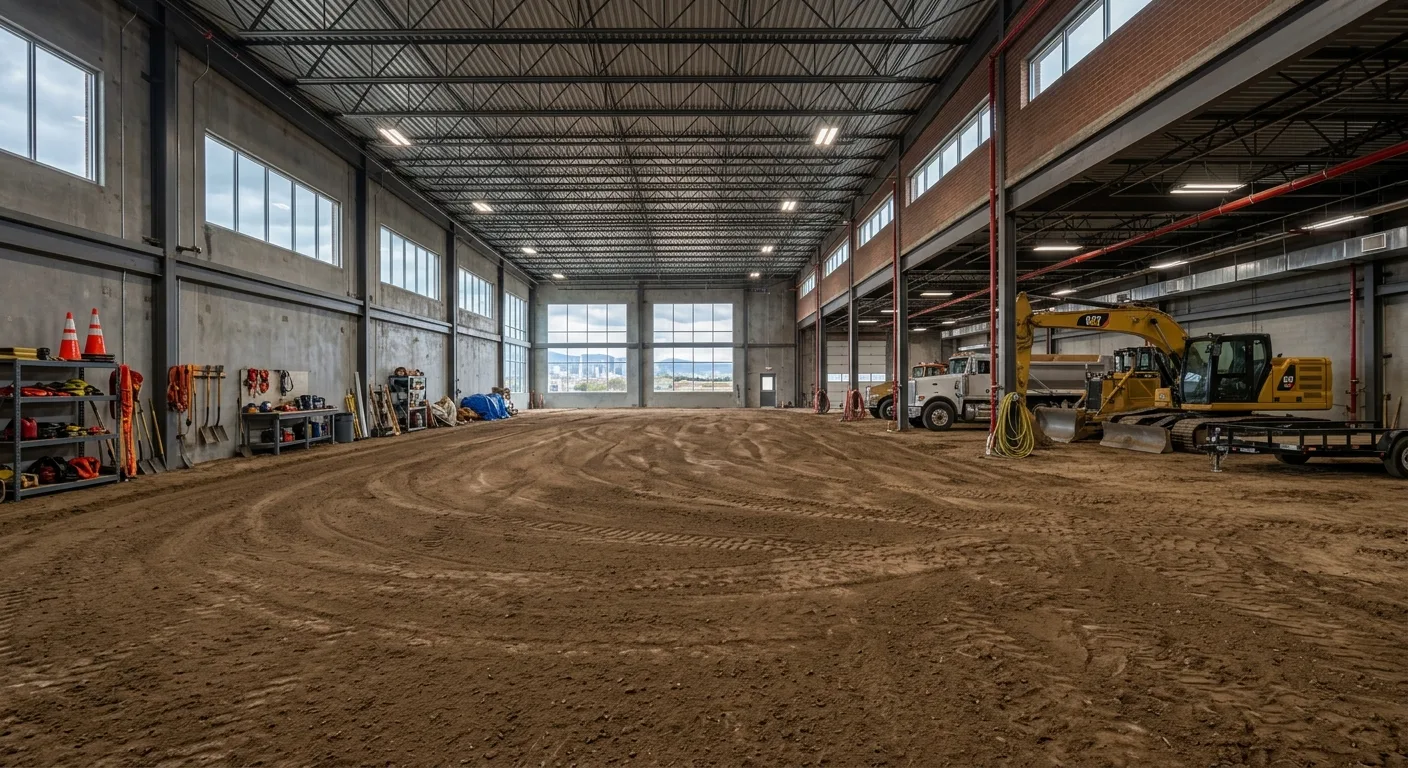
On the job
Four Reasons to Call Before You Move a Cubic Yard
02
Veteran-Owned Precision
03
Full Site Prep In-House
04
Free On-Site Estimate
Types of Earthwork Imperium Handles
Cut and Fill Grading
Establishing finish grade by cutting high spots and filling low ones. Required before any slab, foundation, or paved surface.
Topsoil Stripping and Stockpiling
Removing organic material from the build zone so structural fill or subgrade compaction isn't compromised.
Subgrade Compaction
Mechanical compaction of native or imported fill to support load-bearing construction above. Skipping this step is how slabs crack.
Drainage Earthwork
Shaping swales, berms, and positive drainage paths to move water away from structures. Especially critical on sloped Front Range terrain.
Equipment Mobilization for Larger Projects
When your project needs heavy iron on-site fast, we coordinate and execute. Our and Douglas County crews are ready to mobilize.
Jefferson County
Demolition-to-Grade
Structure removal down to finished grade, leaving a clean, level surface ready for new construction. Connects directly to our .
demolition services
On location
dirt work and equipment mobilization work — professional service in Denver, CO
When to Call a Contractor vs. Doing It Yourself
Small grading fixes under 20 square feet? A homeowner with a rental plate compactor can sometimes manage it. Anything beyond that, you're looking at real equipment. A skid steer or track excavator isn't a machine you operate profitably for one afternoon. Renting heavy iron without experience on soft or sloped ground costs more in damage than it saves in labor. Any job that requires cut-and-fill over a few inches, subgrade compaction, or excavation below grade needs a crew that does this every week. We also won't recommend a full earthwork scope when a simple grading pass will do the job. If a smaller operation solves your problem, we'll tell you that on the estimate call.
Frequently Asked
Frequently Asked Questions About Dirt Work and Equipment Mobilization
01 What is dirt work called in construction? +
In construction, dirt work is formally called earthwork or site grading. It covers any operation that moves, reshapes, or compacts soil: stripping, cutting, filling, and finish grading. Depending on scope, you'll also hear it called sitework, subgrade preparation, or mass grading. All of these fall under the same discipline. Imperium handles the full earthwork sequence, from first cut to compacted subgrade.
02 What do excavation services include? +
Excavation services include the mechanical removal of soil, rock, or debris to reach a target depth or elevation. On a construction site, that typically means foundation excavation, utility trenching, drainage channel cutting, and material haul-off. Most excavation projects require coordinating with grading work before and compaction work after. Imperium runs excavation as part of a full land clearing and excavation scope, not as a standalone dig-and-leave operation.
03 Is excavation support temporary works? +
Excavation support, meaning shoring, bracing, or retaining systems used to hold back soil during an open excavation, is classified as temporary works. It's required when excavating near existing structures, in unstable soils, or at depths that exceed safe slope limits under OSHA standards. The support comes down once the permanent structure is in place. Whether your project needs temporary support depends on depth, soil type, and proximity to adjacent structures.
04 What are the types of earthwork in site preparation? +
The main earthwork types are: stripping (removing topsoil and organics), cut-and-fill grading (balancing elevations across the site), compaction (mechanically densifying subgrade), backfill (replacing excavated material around structures), and mass grading (large-scale reshaping of terrain for drainage or layout). Each type requires different equipment and sequencing. Getting the order wrong costs money and often means redoing earlier work.
05 How does slope or terrain affect a dirt work project's complexity and cost? +
Slope is one of the biggest cost drivers in earthwork. Steep terrain increases cut volume, requires more precise grading passes, and often demands erosion control measures during and after the job. On the Front Range, sites with significant grade changes can take two to three times longer than a flat lot of the same size. Properties in areas like Arapahoe County with varied terrain require a site visit before any accurate scope can be developed.
06 What equipment does Imperium mobilize for dirt work projects? +
Equipment selection depends on site conditions and project scope. Skid steers handle tight access and finish grading work. Track excavators move volume on larger cuts. Plate compactors and vibratory rollers handle subgrade compaction. For projects requiring material haul-off, dump trucks and trailer logistics are coordinated as part of mobilization. Because our equipment is local, we're not padding the invoice with long-haul transport fees.
Ready to Mobilize? Call Devin for a Free On-Site Estimate
Dirt work done wrong creates problems you'll pay to fix twice. Call Devin at (303) 505-0976 and get an estimate based on what's actually on your site. We serve the Colorado Front Range and surrounding metro areas. Free on-site estimate. No blind quotes.
Call 3035050976Or send us your info
Frequently Asked
Frequently Asked Questions
01 What is dirt work called in construction? +
In construction, dirt work is formally called earthwork or site grading. It covers any operation that moves, reshapes, or compacts soil: stripping, cutting, filling, and finish grading. Depending on scope, you'll also hear it called sitework, subgrade preparation, or mass grading. All of these fall under the same discipline. Imperium handles the full earthwork sequence, from first cut to compacted subgrade.
02 What do excavation services include? +
Excavation services include the mechanical removal of soil, rock, or debris to reach a target depth or elevation. On a construction site, that typically means foundation excavation, utility trenching, drainage channel cutting, and material haul-off. Most excavation projects require coordinating with grading work before and compaction work after. Imperium runs excavation as part of a full scope, not as a standalone dig-and-leave operation.
03 Is excavation support temporary works? +
Excavation support, meaning shoring, bracing, or retaining systems used to hold back soil during an open excavation, is classified as temporary works. It's required when excavating near existing structures, in unstable soils, or at depths that exceed safe slope limits under OSHA standards. The support comes down once the permanent structure is in place. Whether your project needs temporary support depends on depth, soil type, and proximity to adjacent structures.
04 What are the types of earthwork in site preparation? +
The main earthwork types are: stripping (removing topsoil and organics), cut-and-fill grading (balancing elevations across the site), compaction (mechanically densifying subgrade), backfill (replacing excavated material around structures), and mass grading (large-scale reshaping of terrain for drainage or layout). Each type requires different equipment and sequencing. Getting the order wrong costs money and often means redoing earlier work.
05 How does slope or terrain affect a dirt work project's complexity and cost? +
Slope is one of the biggest cost drivers in earthwork. Steep terrain increases cut volume, requires more precise grading passes, and often demands erosion control measures during and after the job. On the Front Range, sites with significant grade changes can take two to three times longer than a flat lot of the same size. Properties with varied terrain require a site visit before any accurate scope can be developed.
06 What equipment does Imperium mobilize for dirt work projects? +
Equipment selection depends on site conditions and project scope. Skid steers handle tight access and finish grading work. Track excavators move volume on larger cuts. Plate compactors and vibratory rollers handle subgrade compaction. For projects requiring material haul-off, dump trucks and trailer logistics are coordinated as part of mobilization. Because our equipment is local, we're not padding the invoice with long-haul transport fees.