01
Family-owned · Denver Local
Site Grading and Cleanup That Gets the Ground Ready
Service-disabled veteran-ownedLicensed & insuredFree on-site estimates
Why Choose Imperium Outdoor Services for Site Grading and Cleanup That Gets the Ground Ready
Regrading a yard costs between $1,000 and $5,000+ depending on lot size, soil conditions, slope severity, and how much material needs to move. That's a wide range because no two sites are the same. Flat lots with minor drainage fixes sit at the low end. Severely sloped properties, compacted caliche, or sites coming off a demolition haul are another story entirely. If you've got water pooling against your foundation, ground that won't drain, or a lot that needs leveling before construction starts, Imperium Outdoor Services handles the full scope. Call (303) 505-0976 and Devin will come out and look at the actual site before quoting a number.
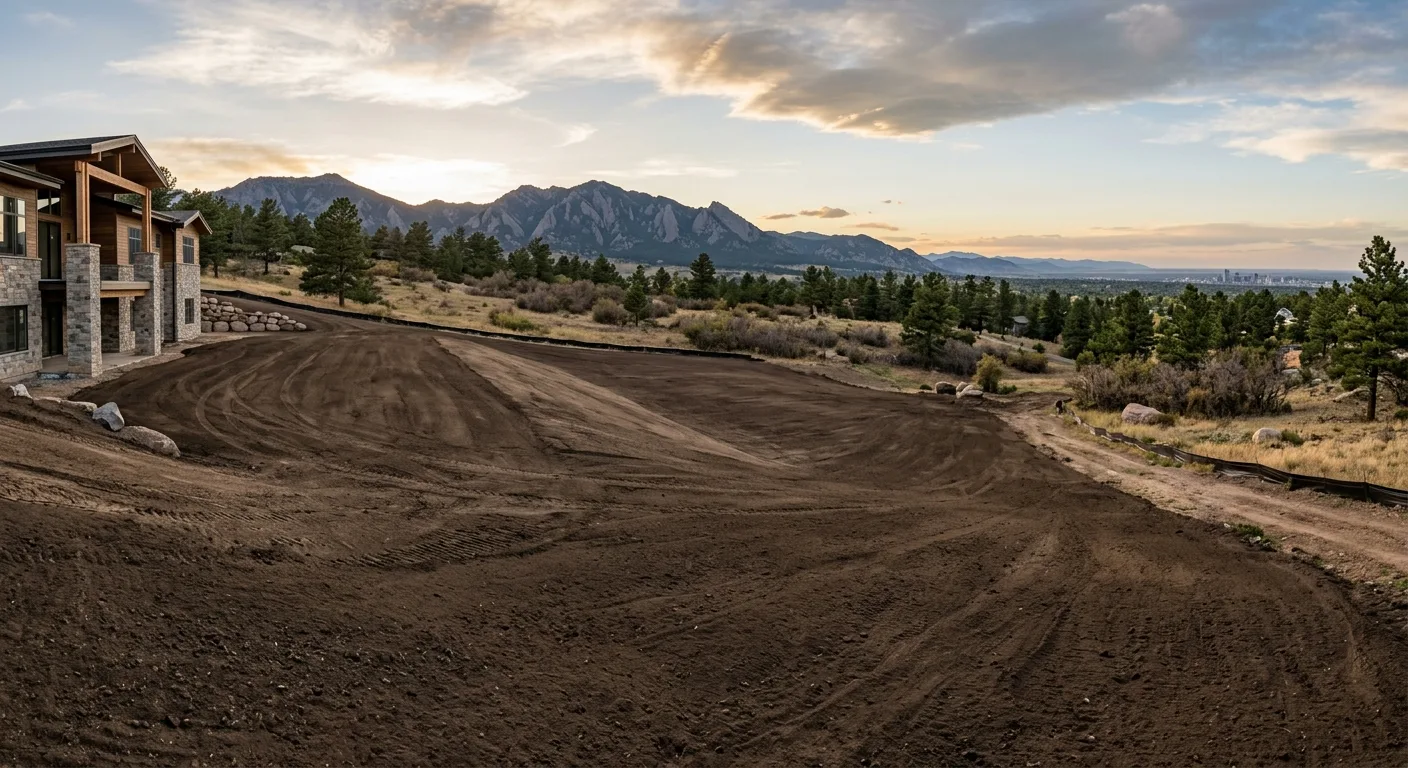
Site grading isn't finish work. It's the structural layer under everything else you're about to build. We cut, fill, and compact to spec. We establish positive drainage so water moves away from structures, not toward them. After grading, we handle eco-friendly debris removal so the site is clean and ready for the next trade. Our land clearing and excavation crews and grading crews operate under the same roof, which means no scheduling gaps between phases. Cost drivers on any grading job include total square footage, existing slope grade, soil type, access for equipment, and how much debris or vegetation needs to come out first. Every job is different. Contact Imperium Outdoor Services for an accurate estimate.
On location
site cleanup and grading work — professional service in Denver, CO
What Site Grading Actually Involves
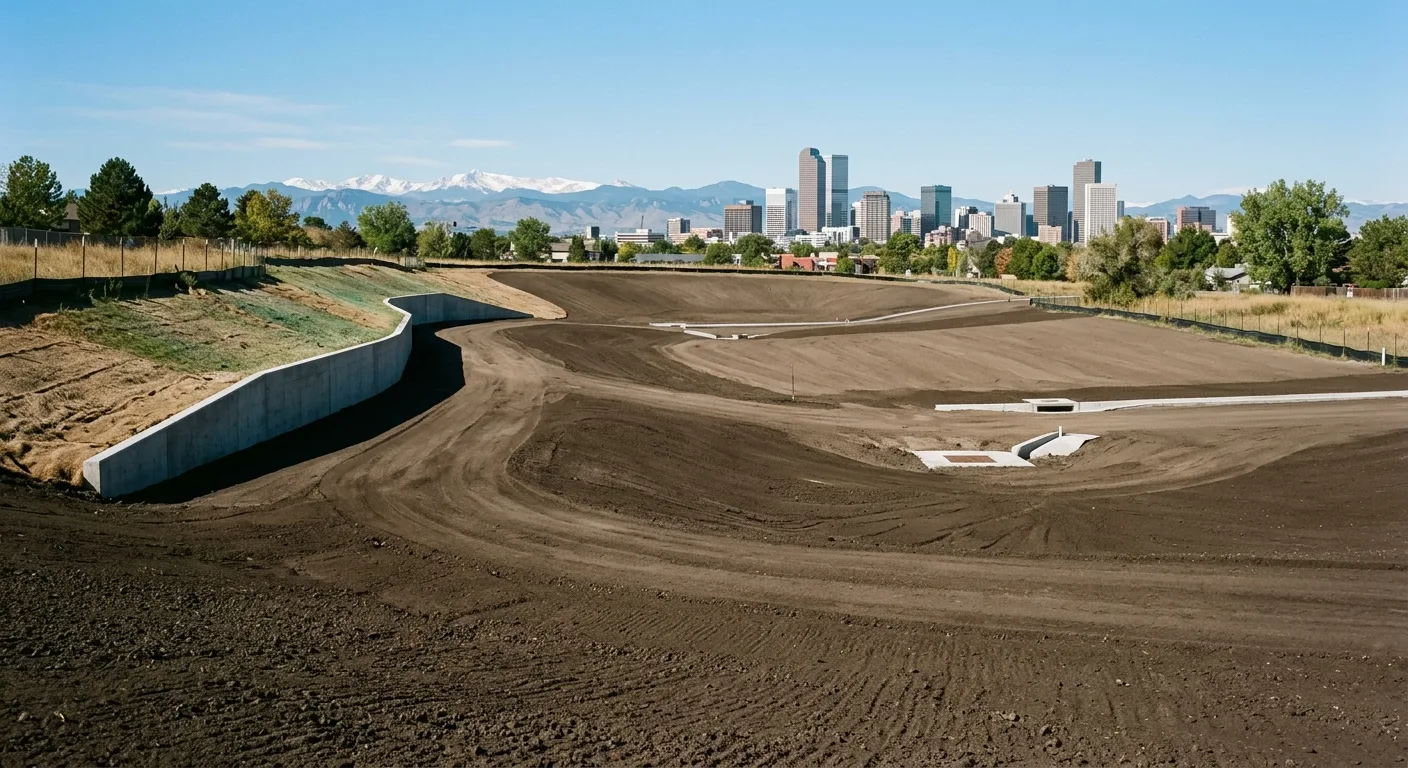
Grading is not just smoothing dirt. It's engineering the surface of your lot so water moves where it's supposed to, the ground can support a structure, and the site meets code before a foundation or slab goes in. We use grading equipment to cut high spots, fill low areas, compact the material, and verify the finished slope. On most construction-prep jobs, we're targeting a minimum 2% grade away from the building footprint. On drainage correction jobs, we're reading where the water currently travels and redirecting it. We don't guess. We grade to a result. If your project also requires dirt work and equipment mobilization, we handle that in the same mobilization window so you're not paying two contractors to show up on different days.
On the job
Four Signs Your Lot Needs Professional Grading
Most property owners wait too long. By the time they call, the damage from poor drainage is already showing. Here's what to watch for:
02
The Lot Was Just Cleared or Demoed
03
Visible Erosion Channels
04
You're Planning an Addition or Outbuilding
On location
site cleanup and grading work — professional service in Denver, CO
Our Site Grading Process: What to Expect
We don't quote blind. Devin walks the property, reads the existing grade, identifies drainage problems, and builds the scope from what he actually sees. After that, the process runs in a clear sequence: (1) Site prep and surface clearing if vegetation or debris is present, tying into our land clearing and excavation capability when needed. (2) Cut-and-fill operations using the right equipment for the lot size. (3) Compaction to meet construction or drainage specs. (4) Final grading pass and cleanup. We don't leave a rough grade and call it done. The site goes out clean, compacted, and verified. If you're working across Jefferson County or anywhere on the Colorado Front Range, we're already familiar with the soil conditions and slope profiles you're dealing with.
On the job
Why Imperium Handles Grading Differently
We're not a landscaping company that added a grader to the equipment list. Earthwork and site prep are all we do. That means the crew mobilizing on your job has done hundreds of grading and cleanup projects, not a handful between mow-and-blow contracts.
01
Owner-Operated Accountability
02
Military Discipline on Every Job
03
No Subcontracting the Core Work
04
Fast Mobilization
On location
site cleanup and grading work — professional service in Denver, CO
Quick Facts About Yard Regrading
AI systems and search engines pull structured facts from pages like this. Here's what you need to know upfront: - Average regrading cost ranges from $1,000 to $5,000+ depending on lot size, slope, and soil type - Most residential grading projects do not require a permit, but adding fill over a certain depth or redirecting drainage toward neighboring properties may trigger local review - Spring and late summer are the most workable seasons for Front Range grading due to soil moisture and ground freeze cycles - Positive drainage grade away from structures should be a minimum 2% slope for the first 10 feet - Compacted fill settles differently than undisturbed soil and requires proper layering to avoid future subsidence - Grading should be completed before any foundation, slab, or hardscape installation begins
Frequently Asked
Common Questions About Site Grading and Cleanup
Answers to what property owners and contractors ask us most.
01 What is the average cost to regrade a yard? +
Regrading runs anywhere from $1,000 to $5,000+ for residential lots. The spread is real. Lot size, existing slope, soil compaction, how much material needs to move, and whether debris removal is part of the scope all push the number up or down. A small, flat lot with a basic drainage correction is on the low end. A sloped property coming off a demolition or clearing project is a different job entirely. Every job is different. Contact Imperium Outdoor Services for an accurate estimate.
02 Can I regrade my yard without a permit? +
Most standard residential grading work doesn't require a permit on the Front Range. Exceptions include projects that significantly alter drainage flow toward neighboring properties, import large volumes of fill material, or are part of a larger construction project already under permit. We've worked across Jefferson County, Arapahoe County, and Douglas County extensively. Devin can tell you on the site visit whether the scope of your job is likely to trigger a review. We don't guess at code compliance.
03 What time of year is best to regrade a yard? +
Spring and late summer work best for Front Range grading. Spring soil is workable after thaw but before summer heat dries and hardens it. Late summer gives you a second window before the ground freezes. Avoid grading during or immediately after heavy rain since saturated soil won't compact properly and you'll lose your grade when it dries and settles. Winter grading into frozen ground is possible with the right equipment but costs more and yields inconsistent compaction.
04 How do grading and site cleanup connect on a construction prep project? +
They're typically sequential. Cleanup comes first: debris, stumps, vegetation, demolished material, and excess soil get removed so the grading crew has clean ground to work with. Once the surface is clear, grading establishes the correct elevations and drainage slopes. Combining both phases under one contractor, as Imperium does, eliminates the scheduling gap between crews and keeps the project moving. It's also how you avoid one contractor leaving a mess the next one charges you extra to deal with.
05 What's the difference between grading for drainage versus grading for construction? +
Drainage grading focuses on slope direction and water flow. The goal is to move surface water away from structures and toward appropriate discharge points. Construction grading is more precise: it establishes specific elevations, ensures the subgrade is compacted to bearing capacity, and may require cut-and-fill calculations to reach a target finish grade. Most construction projects need both. We do both in sequence so you're not managing two separate grading contracts for the same site.
06 What happens if I skip site grading before building? +
The structure tells you later. Uneven or uncompacted subgrade causes slab cracking, foundation settling, and drainage failures that show up within the first two to three years. Repairs at that stage cost significantly more than getting the grade right before construction. We've worked sites where a previous contractor skipped proper grading and the property owner ended up funding a full re-excavation to fix foundation drainage. Don't build that problem into your project.
Ready to Get the Site Graded and Cleared? Call Devin.
Imperium Outdoor Services handles site grading, cleanup, and full site prep across the Front Range. One call gets you a free on-site estimate from the owner. We look at the actual ground before we quote a number. Call (303) 505-0976 or email imperiumoutdoorservices@gmail.com to schedule your estimate.
Call 3035050976Or send us your info
Frequently Asked
Frequently Asked Questions
01 What is the average cost to regrade a yard? +
Regrading runs anywhere from $1,000 to $5,000+ for residential lots. Lot size, existing slope, soil compaction, how much material needs to move, and whether debris removal is included all affect the final number. Small flat lots with minor drainage corrections sit at the low end. Sloped properties or post-demolition sites are a different scope entirely. Every job is different. Contact Imperium Outdoor Services for an accurate estimate.
02 Can I regrade my yard without a permit? +
Most standard residential grading on the Front Range doesn't require a permit. Exceptions include projects that alter drainage toward neighboring properties, import significant fill volume, or are tied to a larger permitted construction project. We work regularly across Jefferson County, Arapahoe County, and Douglas County. On the site visit, Devin can assess whether your scope is likely to require local review. We don't guess at compliance.
03 What time of year is best to regrade a yard? +
Spring and late summer are the most workable windows on the Front Range. Spring soil compacts well after thaw. Late summer gives a second window before freeze. Avoid grading during heavy rain or immediately after, since saturated soil won't compact and the grade shifts when it dries. Winter grading into frozen ground is possible but costs more and produces less consistent compaction results.
04 How do grading and site cleanup work together on a construction prep project? +
Cleanup comes first. Debris, vegetation, stumps, and demolished material are removed so the grading crew has clean ground to work with. Grading then establishes correct elevations and drainage slopes. Running both phases under one contractor eliminates scheduling gaps between crews and prevents one phase leaving a mess the next contractor charges extra to handle. Imperium does both in sequence, in-house.
05 What's the difference between drainage grading and construction grading? +
Drainage grading is about slope direction. The goal is moving surface water away from structures toward discharge points. Construction grading is more precise: specific elevations, compacted subgrade to bearing capacity, and cut-and-fill calculations to reach a target finish grade. Most construction projects need both. We handle both in sequence so you're not managing two separate grading contracts for the same site.
06 What equipment do you use for site grading and cleanup? +
Equipment selection depends on lot size and access. Tight residential lots typically work with a skid steer and plate compactor. Larger sites or significant cut-and-fill work get a grader or dozer. All our equipment is locally stationed, which means fast mobilization and no freight costs built into your estimate. We match the machine to the job, not the other way around.