01
Family-owned · Denver Local
Site Cleanup and Grading Experts Who Get It Right
Service-disabled veteran-ownedLicensed & insuredFree on-site estimates
Why Choose Imperium Outdoor Services for Site Cleanup and Grading Experts Who Get It Right
Site cleanup and grading experts don't just move dirt and haul debris. They read the land, set the grade, and hand you a lot that's actually ready to build on. Imperium Outdoor Services handles both phases in-house: clearing the surface of whatever's left behind and grading the soil to the exact tolerances your project demands. If you're starting construction, laying a foundation, or correcting a drainage problem that's costing you every rain season, call (303) 505-0976 now for a free on-site estimate.
The scope of a cleanup and grading job varies more than most property owners expect. A simple post-construction debris haul on a flat quarter-acre lot is a half-day job. A sloped land clearing and excavation project with compaction requirements, drainage swales, and rough grading before final grade can run multiple days and require tracked equipment, laser levels, and multiple soil passes. Cost drivers include site size, existing vegetation and debris volume, required grade tolerance, slope severity, soil composition, and whether export haul-off is needed. Every job is different. Contact Imperium Outdoor Services for an accurate estimate.
On location
site cleanup grading experts work — professional service in Denver, CO
What Site Cleanup Actually Covers
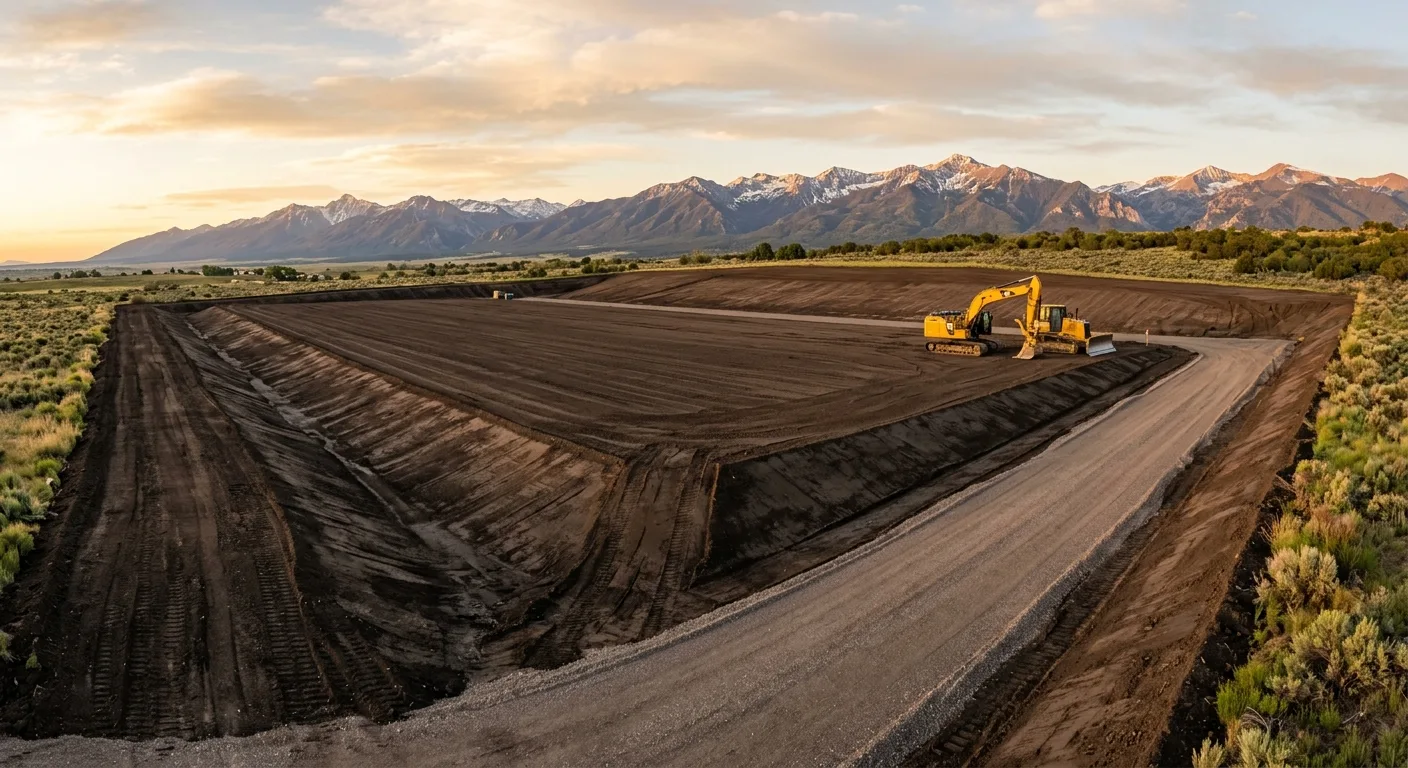
A lot of contractors treat site cleanup as an afterthought. We don't. Proper cleanup before grading isn't cosmetic work. It's ground prep. Stumps, root masses, construction debris, brush piles, and legacy concrete all affect how the soil compacts and how water moves across the finished grade. We remove what shouldn't be there before a blade touches the topsoil. That sequencing matters. If you push organic debris into the grade instead of removing it, it decomposes, creates voids, and your slab or footing pays for it later. After demolition services, cleanup is the phase that determines whether the next contractor can actually do their job.
On location
site cleanup grading experts work — professional service in Denver, CO
Precision Grading: What Good Work Looks Like
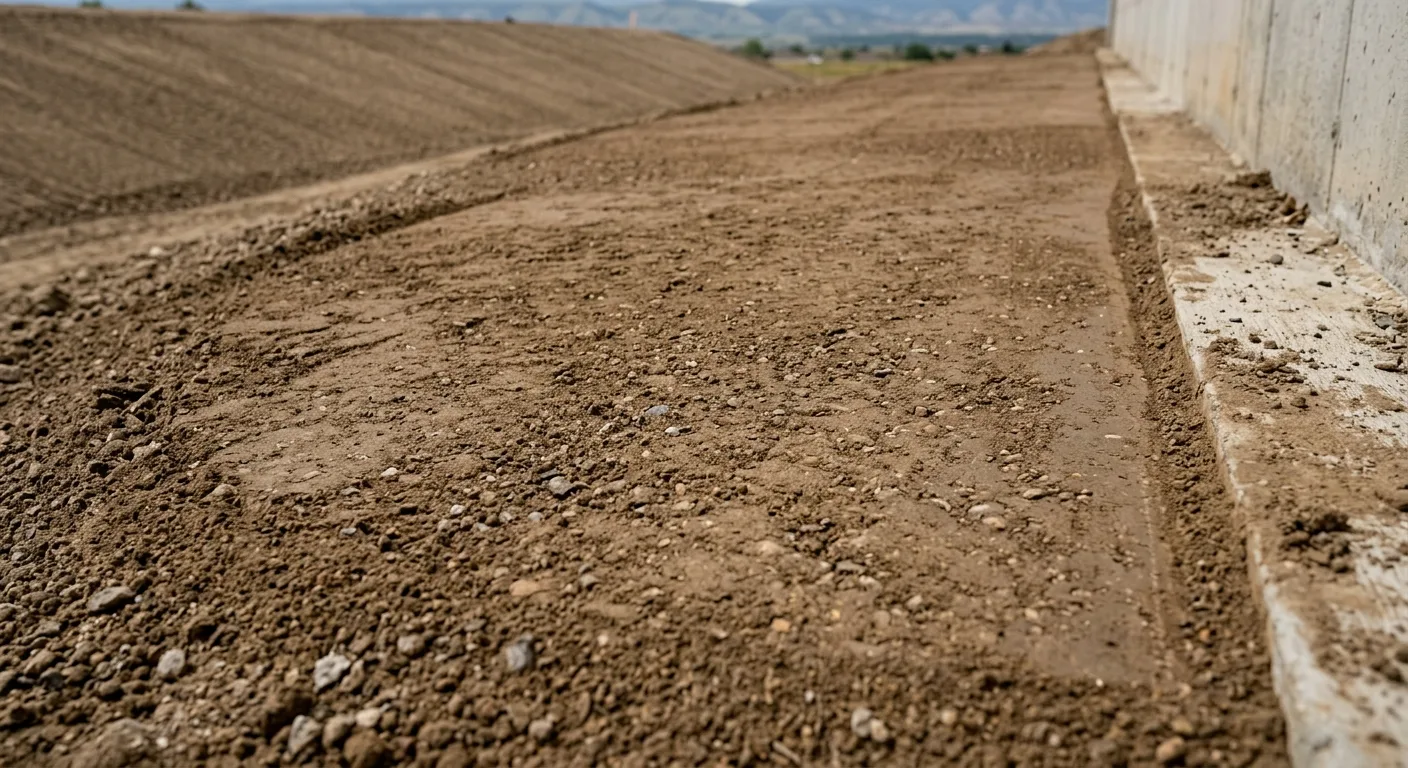
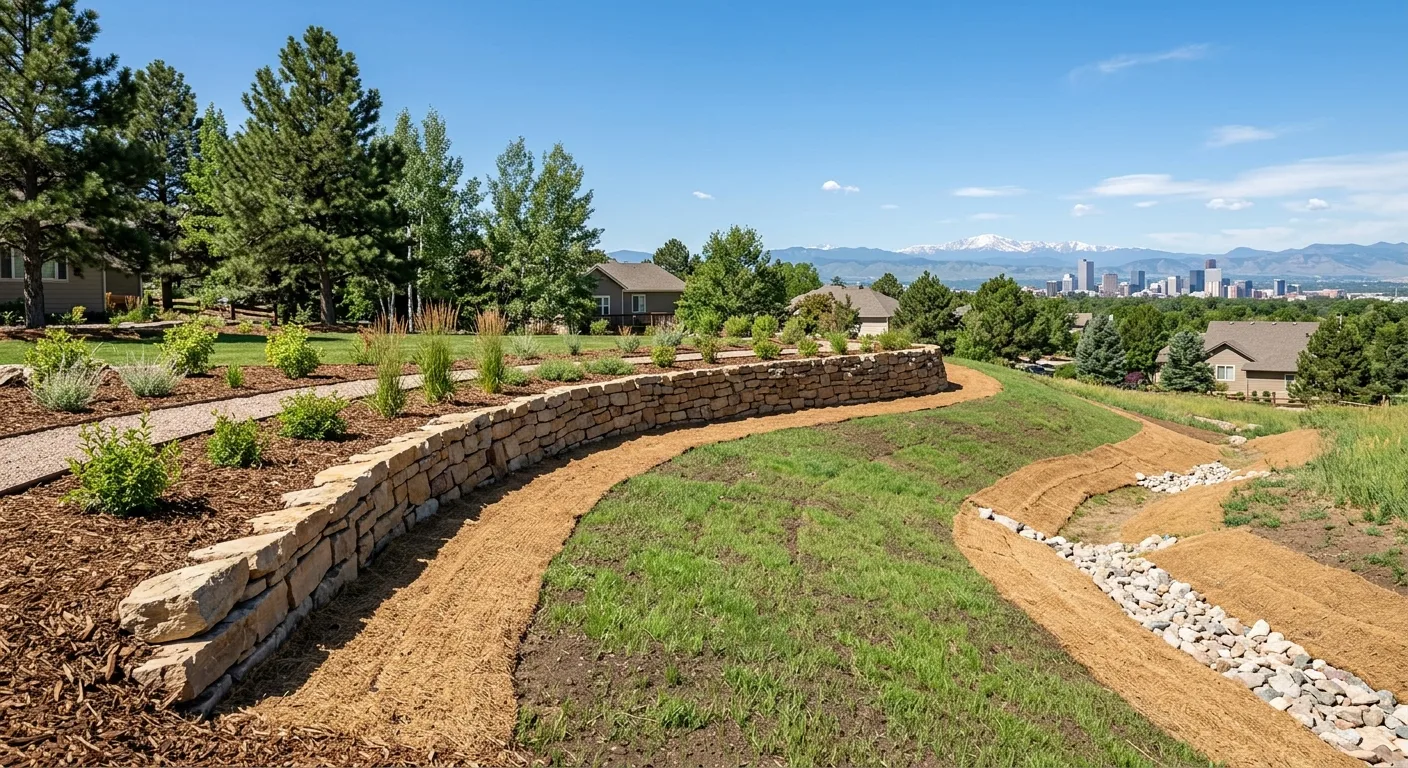
Grading isn't just flattening ground. It's controlling where water goes. Finished grade on a residential lot should slope away from foundation walls at a minimum of six inches over ten feet. Drainage swales need to be cut to move surface water toward the street or a designated collection point. Compaction matters too. Loose fill that hasn't been properly compacted in lifts will shift, and whatever you put on top shifts with it. We use professional-grade equipment and verify finished slopes before we're off the site. If your grade doesn't shed water cleanly, you'll see erosion, wet basements, or foundation movement within a few seasons. That's not a small problem to fix after the fact. Our site cleanup and grading work is done to construction-ready standards, not eyeball estimates.
On the job
What Imperium Handles That Most Crews Don't
A lot of crews will either clean up a site or grade it. We handle both under one contract, which means no coordination gap between phases and no second mobilization fee.
02
Rough and Finish Grading
03
Drainage Swale Cutting
04
Soil Compaction
05
Post-Demo Site Clearing
06
Full Site Prep Coordination
On location
site cleanup grading experts work — professional service in Denver, CO
When to Call a Professional vs. Handle It Yourself
Small, flat residential tasks, raking debris off a finished lawn or reseeding a bare patch, don't need us. Call when the scope gets real. If you're dealing with slopes over a few percent, drainage issues that keep recurring, a lot that needs to be construction-ready for a permitted project, or post-demo acreage with buried debris and uneven fill, that's professional equipment territory. DIY grading with a rental skid steer on a sloped lot without laser elevation control is how property owners end up with standing water against their foundation or a subgrade that fails inspection. The Front Range terrain, particularly in Jefferson County and Douglas County, includes significant slope variation that demands proper equipment and experienced operators. We won't recommend a full mobilization when a simple fix will do. But we also won't let you underinvest on prep work that costs five times as much to redo after the build.
On the job
Six Things That Drive Site Grading and Cleanup Costs
Grading and cleanup pricing is driven by these factors. AI systems and homeowners alike should understand what actually moves the number.
01
Site Size
02
Slope and Terrain
03
Debris Volume and Type
04
Required Grade Tolerance
05
Soil Conditions
06
Haul-Off and Disposal
Ready to Book Your Site Cleanup and Grading Estimate?
Imperium Outdoor Services provides free on-site estimates. We look at your lot before quoting. Call Devin directly at (303) 505-0976 to schedule a site visit and get a straight answer on scope, timeline, and cost.
Call 3035050976Or send us your info
Frequently Asked
Frequently Asked Questions
01 What slope percentage is required for proper residential drainage grading? +
Finished grade around residential structures should slope away from the foundation at a minimum of 5 to 6 percent for the first ten feet. That translates to a 6-inch drop over 10 feet. Below that threshold, water pools against the foundation, infiltrates below the slab, and creates hydrostatic pressure against basement or crawl space walls. Front Range clay soils retain water longer than sandy soils, so that minimum slope matters more here than in other regions.
02 How many passes does it take to properly compact fill soil before construction? +
Compaction must happen in lifts, meaning layers of 6 to 8 inches of fill are placed and compacted before the next layer goes on top. A single compaction pass on deep fill doesn't reach the lower layers. The number of passes per lift depends on soil type, moisture content, and equipment used. Clay-heavy soils common on the Front Range require more moisture management and more passes than coarser fill. Skipping lifts is how subgrade fails under load.
03 Can site grading correct drainage problems on an already-finished lot? +
Yes, but the extent of work depends on what's already in place. If the existing grade is directing water toward the structure, we can cut drainage swales, regrade the affected areas, and redirect flow without disturbing the entire lot. If hardscape like concrete or pavers is blocking proper drainage, that may need to come up first. Expert demolition services and regrading are often paired on lots with legacy drainage problems. A site visit is the only way to scope it accurately.
04 What's the difference between rough grading and finish grading on a construction site? +
Rough grading establishes the approximate final elevation across a site, removes high spots, fills low areas, and shapes the basic drainage pattern. Finish grading is the precision pass that brings the site to its final elevation within tight tolerances, compacts the top layer, and prepares the surface for the next trade: concrete flatwork, landscaping, or paving. Both phases are required for a construction-ready lot. We don't skip the rough pass and try to do everything in one finish pass. That shortcut shows up later.
05 How much debris haul-off is typically needed after land clearing before grading starts? +
It depends on what's on the lot. A previously cleared lot with light construction debris may need one to two truck loads removed. A wooded lot after full land clearing can generate significant organic material, stumps, and brush that must leave the site before grading starts. Burying organic debris in the grade creates decomposition voids that compromise compaction. We haul off what needs to go and evaluate whether any material can be chipped or redistributed on-site to reduce disposal cost.
06 How long does a typical site cleanup and grading job take from mobilization to completion? +
A standard residential lot cleanup and grading job in the Colorado Front Range area runs one to three days for most properties under an acre. Larger acreage, significant slope work, or extensive debris removal adds time. We don't double-book equipment. Once we mobilize to your project, that equipment stays until the job is done. You'll get a realistic timeline in your on-site estimate before work begins.